A Careful Plan for Flower Shop Pest Control
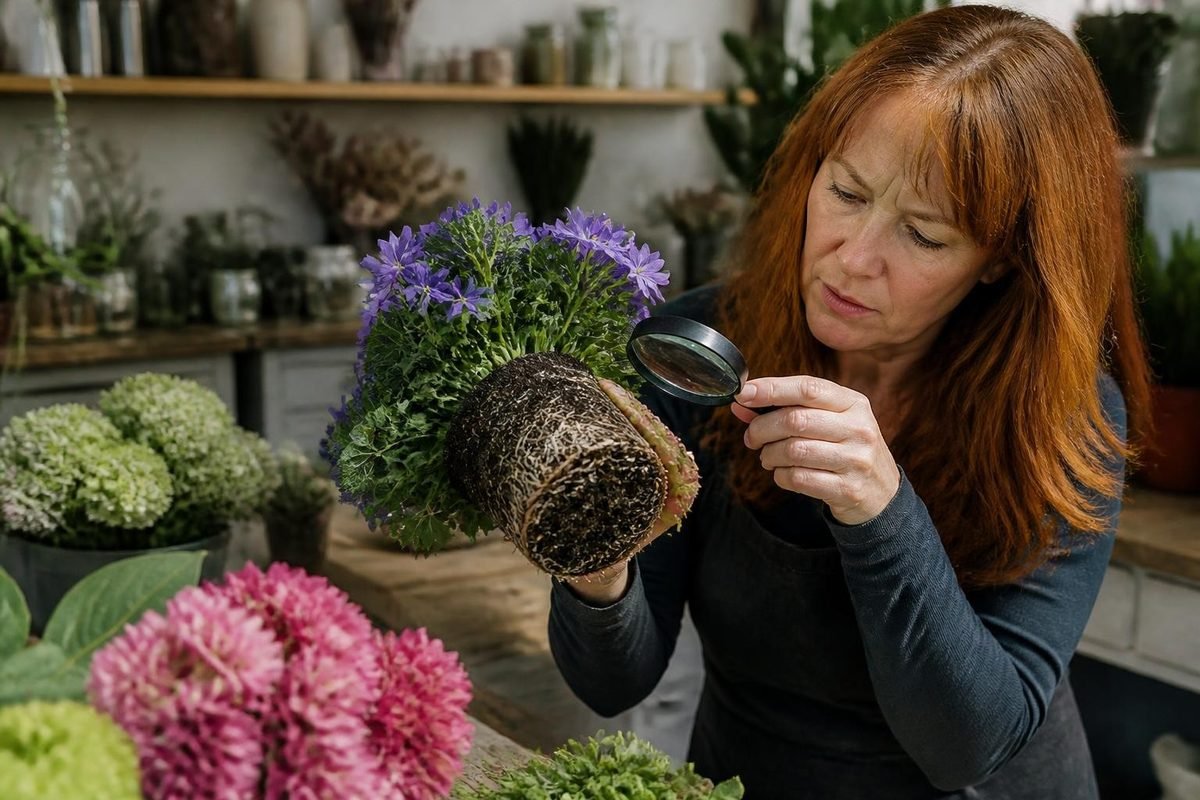
You can limit pest problems by checking flowers and plants regularly, separating affected stock, and beginning with simple controls. Before using any treatment, identify the insects so you can avoid harming beneficial species along with the pests.
Check each plant closely
Look over new stock before placing it beside the rest of your flowers and plants. Examine the undersides of leaves, the length of stems, and the inside of flower heads. Aphids tend to cluster on tender new growth, while thrips may be tucked into petals. Fine webs or leaves marked with tiny pale spots can be signs of spider mites.
If you find a possible infestation, keep that plant apart from healthy stock to reduce the chance of pests spreading. Note what you have seen, then inspect the plant again before choosing what to do. A small number of insects may not need a spray, but act if you see their numbers increasing.
Try to tell helpful insects from harmful ones before taking action. Lady beetles, including their larvae, feed on aphids. Certain small parasitic wasps also attack aphids and other pests. If you cannot identify an insect, contact a local extension service or a plant specialist for guidance.
Try hands on controls first
For a limited infestation, removing pests or affected plant parts can help without exposing other insects to chemicals. Use these steps as a guide, adapting them to the plant and how much of it is affected.
- Separate affected plants from healthy flowers and plants.
- Cut off heavily infested leaves or stems, place them in a sealed bag, and dispose of them.
- For sturdy plants, use a gentle stream of water to wash pests away. Keep delicate blooms from getting soaked.
- Wash benches, pots, and tools, and remove plant debris from the area.
- Look over the plants again during the next few days, repeating these steps if needed.
Give plants the light, water, and airflow that suit their needs. Healthy growing conditions support the plants and make it easier for you to spot changes. Avoid placing pots too close together, so you can inspect them and reach any affected parts.
Use any treatment with care
If removing pests is not enough, identify them before selecting a treatment. Insecticidal soap or horticultural oil may help with some soft bodied pests, but either can harm beneficial insects it touches. Some plants and flowers may also be damaged by these products.
Choose a product whose label covers the pest, plant, and place where you plan to use it. Follow all label instructions, including directions for dilution and application, protective equipment, and restrictions. Check for beneficial insects first and do not spray them. Apply treatment to the affected area instead of covering the entire workspace.
Beneficial insects may help manage pests on potted plants, particularly in a greenhouse. How well they work depends on the pest and environment, as well as any pesticides used before. Ask a local specialist for advice before introducing beneficial insects.
Questions people often ask
Will sticky traps get rid of pests?
Sticky traps can help you monitor flying insects, but they may catch beneficial insects as well. Use them as one part of pest management, not as your only control.
Is household soapy water safe to spray on flowers?
Do not assume that ordinary household soap is safe for flowers. Select a product labeled for the plant and pest, and follow its directions.
Do I need to remove every insect right away?
Separate or remove infested material promptly, but first identify what is there. Some insects may be helping keep the pest population under control.
On the same subject: how a florist keeps customers